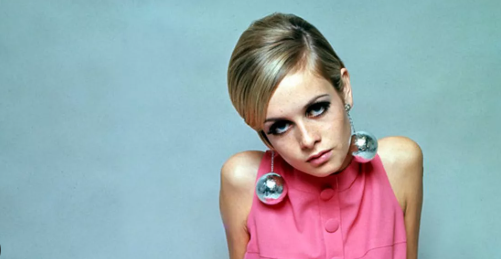
The Pixie Haircut stands as one of the most powerful, iconic, and liberating hair transformations a person can undergo. It’s more than just a short hairstyle; it’s a bold statement that signifies confidence, highlights natural beauty, and offers unparalleled ease of styling.
From its glamorous roots in Old Hollywood to its modern, textured iterations, the Pixie Haircut has proven its timeless appeal. If you’re contemplating the big chop or looking for fresh ways to style your short locks, this comprehensive guide provides the expert detail you need.
Defining the Classic and Modern Pixie

The core definition of a Pixie Cut involves hair that is short on the back and sides—often closely tapered—while the hair on the top of the head is left longer. This differential in length is what gives the pixie its signature shape and versatility.
A Brief History of the Pixie’s Popularity
The style exploded into the mainstream in the 1950s after Audrey Hepburn debuted the cut in the film Roman Holiday. It later became synonymous with the “Swinging Sixties” youth movement, popularized by models like Twiggy and actress Mia Farrow, who embraced its rebellious, gamine charm.
Today, celebrities from Zoe Kravitz to Emma Watson continue to reinvent the look, proving the Pixie Haircut is never out of style.
Why Choose a Pixie? (The Benefits)
Choosing a pixie is a choice of convenience and expression.
- Ultimate Low-Maintenance: While a pixie requires frequent trims, the daily effort is minimal. You can often go from shower to styled in under 10 minutes.
- Health and Volume: Regular trimming eliminates dryness and split ends, promoting healthier growth. For those with fine hair, the shorter length adds an immediate, natural boost of volume and fullness.
- Feature Focus: The lack of long hair around the face instantly draws attention to your eyes, cheekbones, and jawline—a flattering effect often sought after in beauty.
- Versatility: Despite its length, a pixie can be styled sleek, messy, edgy, or soft, adapting easily to different occasions.
Navigating the Diverse World of Pixie Cuts
The term “Pixie Cut” is an umbrella for numerous styles, each offering a unique silhouette and feel.
Pixie Variations Based on Texture and Length
| Pixie Type | Key Characteristics | Best Suited For | Styling Focus |
| The Textured Pixie | Choppy, deliberately uneven layers on top; soft movement. | Fine to medium hair; oval or heart faces. | Matte paste or pomade for piecey definition. |
| The Long Pixie (Pixie-Bob) | Longer layers on the crown and nape; often jawline-grazing. | Those new to short hair; square or round faces. | Blow-drying for volume; deep side parts. |
| The Shaggy Pixie | Feathered edges; heavy, layered bangs; retro, rebellious feel. | Wavy or medium-textured hair. | Sea salt spray for natural, undone texture. |
| The Undercut Pixie | Hair closely shaved below the top layer for extreme contrast. | Thick hair; anyone wanting a bold, modern edge. | Focus product on the longer top section for height. |
Read Also: Julia Fox Sparks Uproar with Bloody Jackie Kennedy Halloween Look
The Role of Bangs and Fringe
The fringe (bangs) is perhaps the most crucial element in customizing a Pixie Haircut.
- Side-Swept Bangs: These soften the overall look, making the style more approachable, especially for rounder faces.
- Blunt Bangs: A bold, straight-across fringe works well with a structured pixie, best for oval or long faces as they shorten the forehead.
- Micro Bangs (or Baby Bangs): Very short and above the eyebrows, these provide a high-fashion, avant-garde element.
Styling Secrets for a Flawless Pixie
The magic of the pixie lies in the styling products and techniques used to manipulate the top layers.
Achieving Volume and Texture
Contrary to popular belief, a pixie needs products to look its best. Volume is created not by the length, but by the styling process itself.
- Prep: Start with a volumizing shampoo and apply a small amount of lightweight mousse or root-lifting spray to damp hair, focusing on the roots.
- Dry: When blow-drying, use your fingers to lift the hair up and back, or dry it in the opposite direction of its natural growth. This lifts the roots.
- Finish: Once dry, use a matte styling paste or putty. Emulsify a pea-sized amount in your hands and use your fingertips to randomly twist and separate small sections of hair on the top. This creates the coveted textured and slightly messy look.
Versatile Daily Looks
- Sleek and Polished: Apply a shine serum and use a flat iron on the top section. Use a fine-toothed comb to create a deep, sharp side part, keeping the hair close to the head for a sophisticated, professional appearance.
- The Spiky Pixie: Use a strong-hold wax or gel and push the top layers upwards and slightly backwards with your fingers for an edgy, high-definition style. This works best with shorter pixie styles.
- Accessorized Pixie: On days when you don’t want to style, use accessories! A statement headband, decorative bobby pins, or large earrings can transform the look instantly.
Pre-Chop Considerations: Is the Pixie Right for You?
Cutting your hair dramatically short should involve careful thought. Be prepared for the commitment and changes a Pixie Haircut entails.
The Maintenance Commitment
The biggest commitment is the trim schedule. A long bob can handle a 10-12 week interval, but a pixie requires a visit to the salon every 4 to 6 weeks. Missing this window means the sharp shape quickly becomes dull, making the hair look unruly and overgrown. Ensure your budget and schedule allow for this regularity.
Understanding Hair Texture and Growth
- Wavy/Curly Hair: A pixie will highlight your natural curl pattern, but the cut must be precise. If your hair is very curly, be prepared for some shrinkage and the need for curl-defining products.
- Cowlicks and Growth Patterns: Short hair offers no place to hide troublesome cowlicks (hair swirls). Discuss these with your stylist, as they may need to be cut extra short or left slightly longer to lie flat.
The Stylist Consultation
Never walk into a salon and simply ask for a “pixie.”
- Bring Visuals: Collect 3-5 reference photos, showing different angles and different lengths of the desired Pixie Haircut.
- Be Clear About Your Routine: Tell your stylist, “I spend 5 minutes styling every morning,” or “I want a style that looks good air-dried.” This helps them choose the right cutting technique for your lifestyle.
- Ask for Take-Home Tips: Request specific product recommendations and ask the stylist to demonstrate the key styling techniques you’ll need at home.
FAQ
Q1: Is the Pixie Cut hard to grow out?
Growing out a pixie requires patience and strategic cuts. The trick is to keep the back and sides closely trimmed until the top layers are long enough to meet the back hair, transitioning smoothly into a very short bob or a graduated cut. This phase usually lasts between 3 to 6 months.
Q2: Can I still look feminine with a very short Pixie Haircut?
Absolutely. Femininity is not defined by hair length. Many people find the Pixie Haircut enhances their femininity by drawing attention to their eyes, neck, and delicate features. Pairing the cut with soft makeup, bold jewelry, or feminine clothing completes the look beautifully.
Q3: What is the biggest mistake people make with a new Pixie Cut?
The biggest mistake is under-styling. A pixie is not a wash-and-go style; it needs product to hold its shape, create texture, and maintain volume. Failing to use pomade or paste will often result in a flat or shapeless look.
